
The Indus Valley civilization represents one of the earliest forms of organized human society. It developed along river systems and supported large populations through farming, trade, and planning. This civilization shows how order, cooperation, and system design shaped daily life. Its structure reflects shared rules and coordinated effort across wide areas.
Geographic Location and River Systems
The civilization developed along the Indus River and nearby waterways. These rivers supported farming, transport, and settlement. Seasonal flooding enriched soil and supported crop growth.
Settlements formed near water sources for access and movement. Rivers allowed goods and people to travel between regions. Geography influenced city placement and trade routes.
Urban Planning and City Design
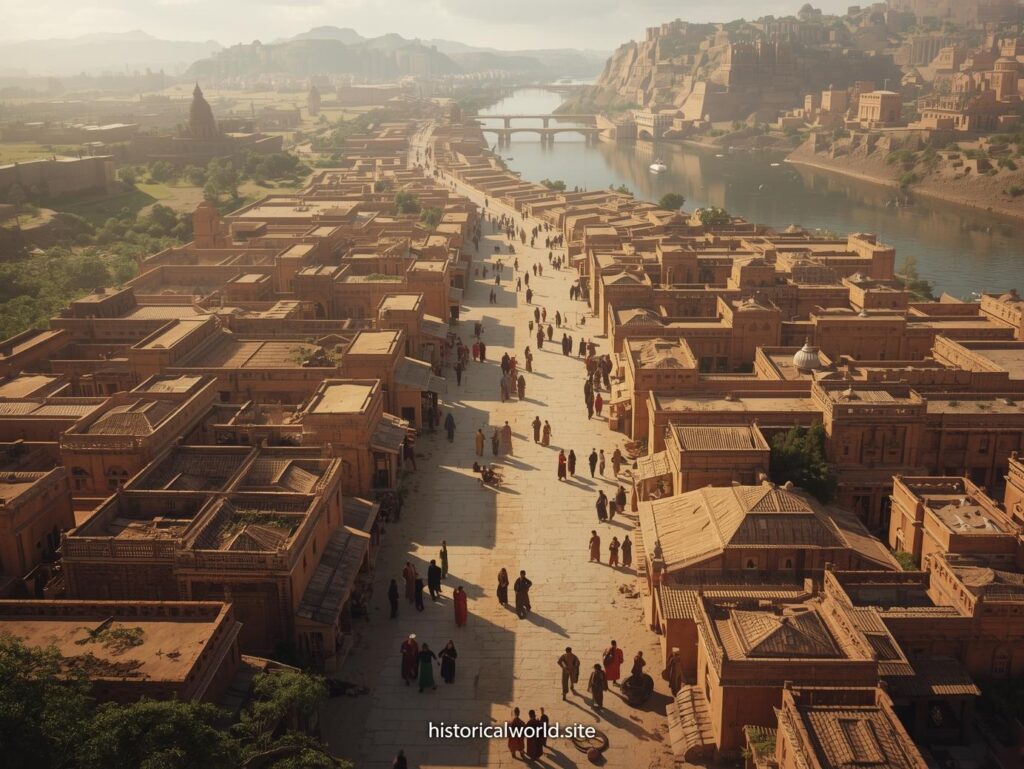
Cities followed grid patterns. Streets ran straight and intersected at right angles. Buildings aligned with planned layouts. This design supported movement and organization.
Homes, storage areas, and public structures followed shared standards. Cities included wells, drains, and bathing spaces. Planning reflected coordination across communities.
Housing and Domestic Life
Homes used baked bricks. Structures included multiple rooms and inner courtyards. Some houses had private wells and drainage connections.
Daily life centered around household tasks. Families cooked, stored food, and managed work within homes. Layouts supported privacy and function.
Drainage and Sanitation Systems
Drainage systems formed a key feature. Covered drains ran beneath streets. Waste water flowed away from homes through channels.
Bathrooms connected to drains. Clean water access supported health. Maintenance of these systems required cooperation and rules.
Agriculture and Food Production
Farming supported population needs. Crops included grain and legumes. Tools supported planting and harvesting.
Food storage protected surplus. Farming schedules followed river patterns. Agricultural success supported urban growth.
Craft Production and Skilled Labor
Craft workers produced pottery, seals, tools, and ornaments. Materials included clay, stone, and metal. Skills passed through training.
Workshops operated within cities. Products served daily use and trade. Craft production supported economic activity.
Trade Networks and Exchange
Trade extended beyond local areas. Goods moved through land and river routes. Seals marked ownership and trade agreements.
Materials such as metal and stone came from distant regions. Trade connected the civilization to other cultures and supported exchange of ideas.
Measurement and Standardization
Standard weights and measures supported trade. Brick sizes followed shared ratios. Tools reflected consistency.
Standardization reduced conflict and confusion. Shared systems show coordination across regions.
Writing and Symbol Use
Symbols appeared on seals and objects. These symbols likely recorded ownership or communication. The writing system remains undeciphered.
Despite this, symbol use reflects administration and trade needs. Writing supported record keeping and identity.
Governance and Social Organization
Evidence suggests organized governance. City planning and standards imply authority and rule systems. Leaders likely managed resources and labor.
Social roles existed based on work and skill. Differences appeared in housing size and goods access. No evidence shows rule by kings or temples.
Religion and Belief Practices
Belief systems influenced daily life. Figurines and seals suggest worship practices. Water held ritual value.
Public bathing spaces may have served religious roles. Belief connected to nature and daily cycles.
Tools, Technology, and Transport
Tools supported farming and craft work. Carts with wheels aided transport. Boats supported river movement.
Technology focused on function and system use. Tool design supported daily needs and trade.
Art and Cultural Expression
Art appeared through seals, pottery, and figurines. Designs included animals and symbols. Art reflected belief and identity.
Craft work showed skill and planning. Cultural expression formed part of daily and trade life.
Health and Daily Care
Sanitation systems reduced illness. Access to clean water supported health. Evidence shows care for injury and disease.
Health practices linked to daily routine. Clean spaces supported survival in dense cities.
Decline and Transition
The civilization declined due to environmental change, river shifts, and trade disruption. Cities lost population and activity.
People moved to smaller settlements. Cultural practices continued through later societies.
Legacy and Historical Importance
The Indus Valley civilization shows early use of planning, sanitation, and standard systems. Its influence appears in later urban cultures.
The focus on order and cooperation shaped long-term human development.
Conclusion
The Indus Valley civilization demonstrates how planning, shared systems, and cooperation supported large populations. Cities functioned through design, trade, and governance. Despite decline, its systems reflect early solutions to urban life challenges.